Developer Experience

AeroSports - Technical Lead & Full-Stack Game Systems

I build real-time systems that connect software, hardware, and people - from game runtimes and APIs to physical device networks and interactive environments.

Built and scaled a production interactive gaming platform across multiple real-world environments.

Architecture Snapshot

How the system fits together

A current view of how the backend, operational tools, room runtime, displays, and hardware layers work together across the AeroSports platform.

MSSQL + Express backend
Runtime + operations tools
Shared devices + controller network

Database

Backend API

Admin Portal

POS

Registration Tablet

Axe Wrapper

Kiosk UI

Kiosk Host

Scorecard

Game Engine

Room Devices

Controllers & Sensors

Solid = primary data/control flow Dashed = diagnostics/optional control

AeroSports Projects

Systems Built for AeroSports

A detailed look at the systems, tools, interfaces, and runtime components developed across the AeroSports platform.

Backend API (Express.js Core System)

AeroSports

Central Express.js backend powering all AeroSports applications with MSSQL, authentication, API keys, rate limiting, and fault-tolerant request handling.

Node.jsExpress.jsMJRAM
View project

Kiosk Host & Room Control (.NET WebView)

AeroSports

WinForms orchestration layer between the Kiosk UI, Scorecard UI, Game Engine, backend API, and room hardware.

.NETC#WCPUS
View project

Game Engine (.NET Console Runtime)

AeroSports

Realtime .NET runtime that launches game variants, manages controller communication, executes game logic, and coordinates restart flow with the kiosk system.

.NETC#ArduinoSRE+1
View project

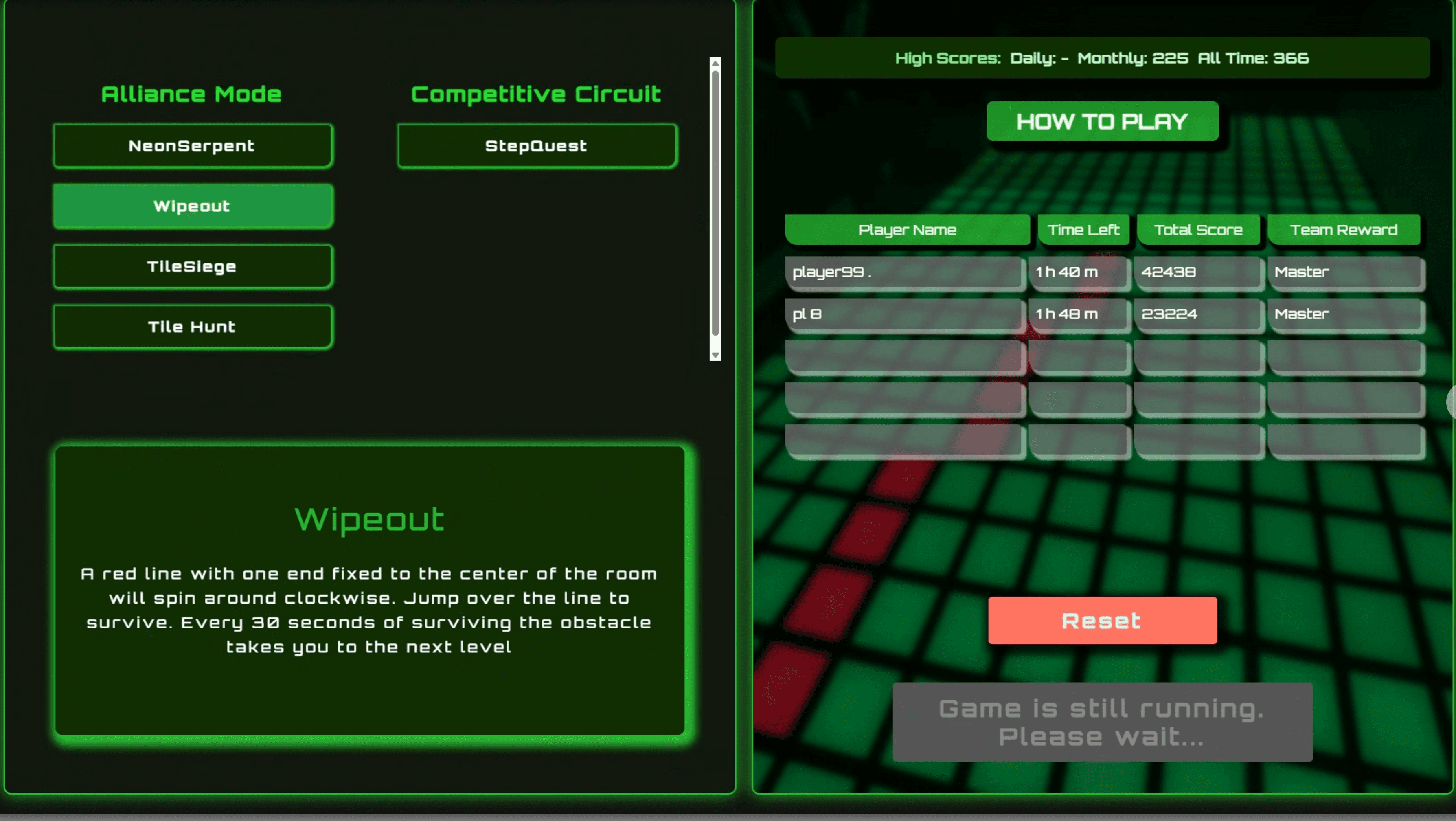
Kiosk UI (Next.js)

AeroSports

Customer and staff-facing kiosk UI for room readiness, player scans, variant selection, and session controls.

Next.jsTypeScriptJavaScriptTailwind
View project

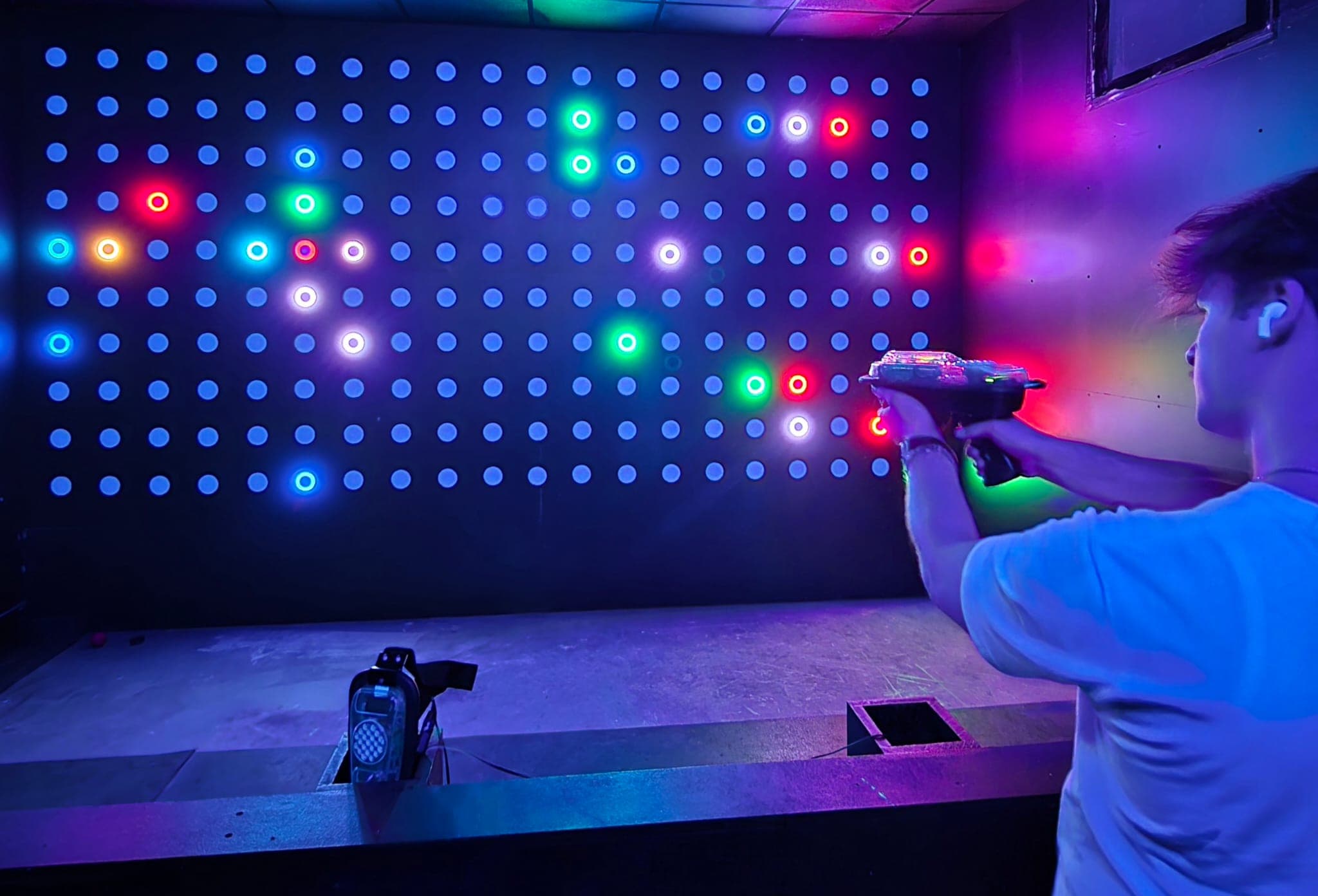
Game Controllers & Sensor Network

AeroSports

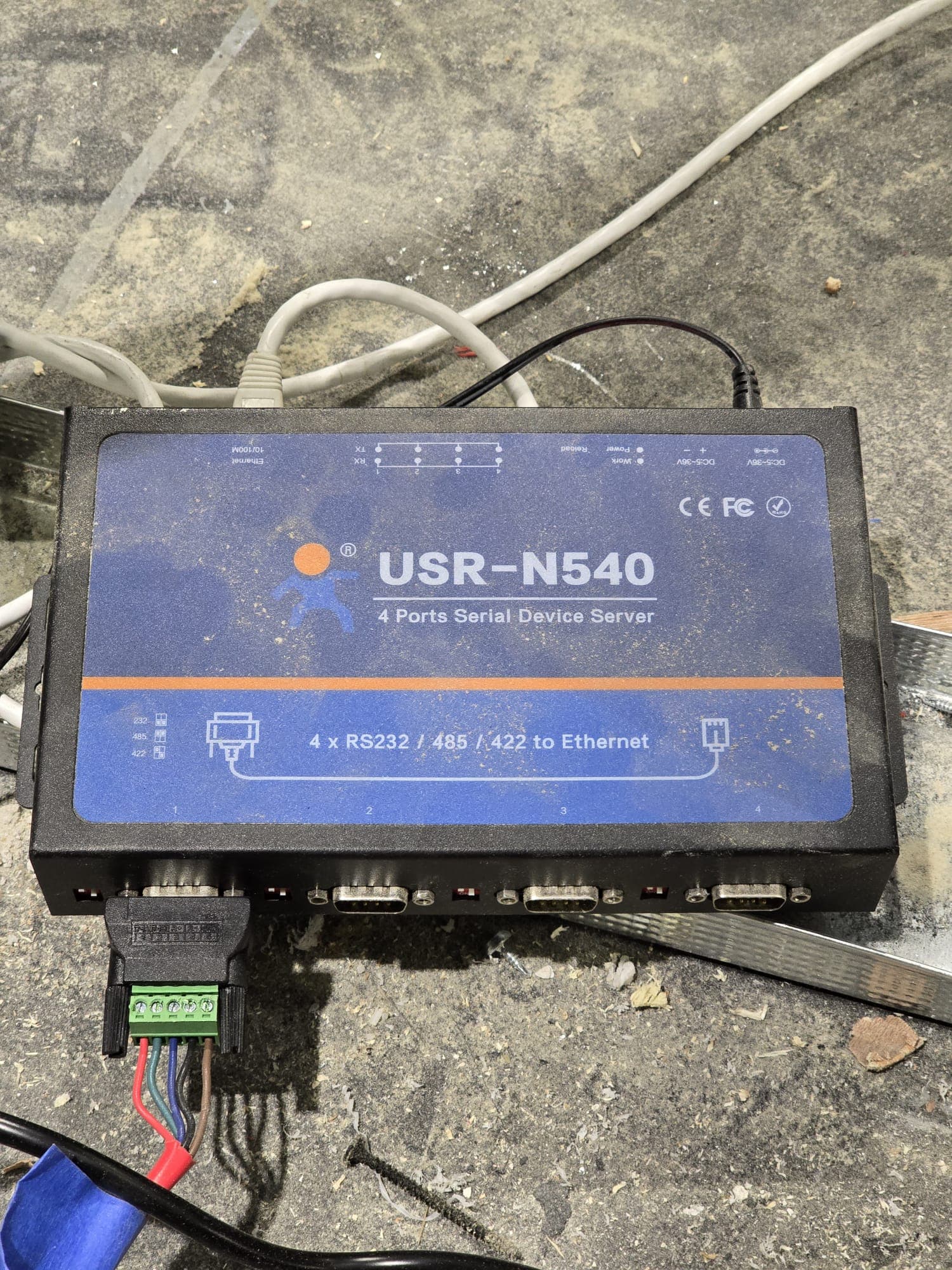
Realtime controller and sensor network powering gameplay interactions across rooms, from USR RS422-over-Ethernet systems to custom Arduino and ESP-based controller stacks.

ArduinoC++SREE+2
View project

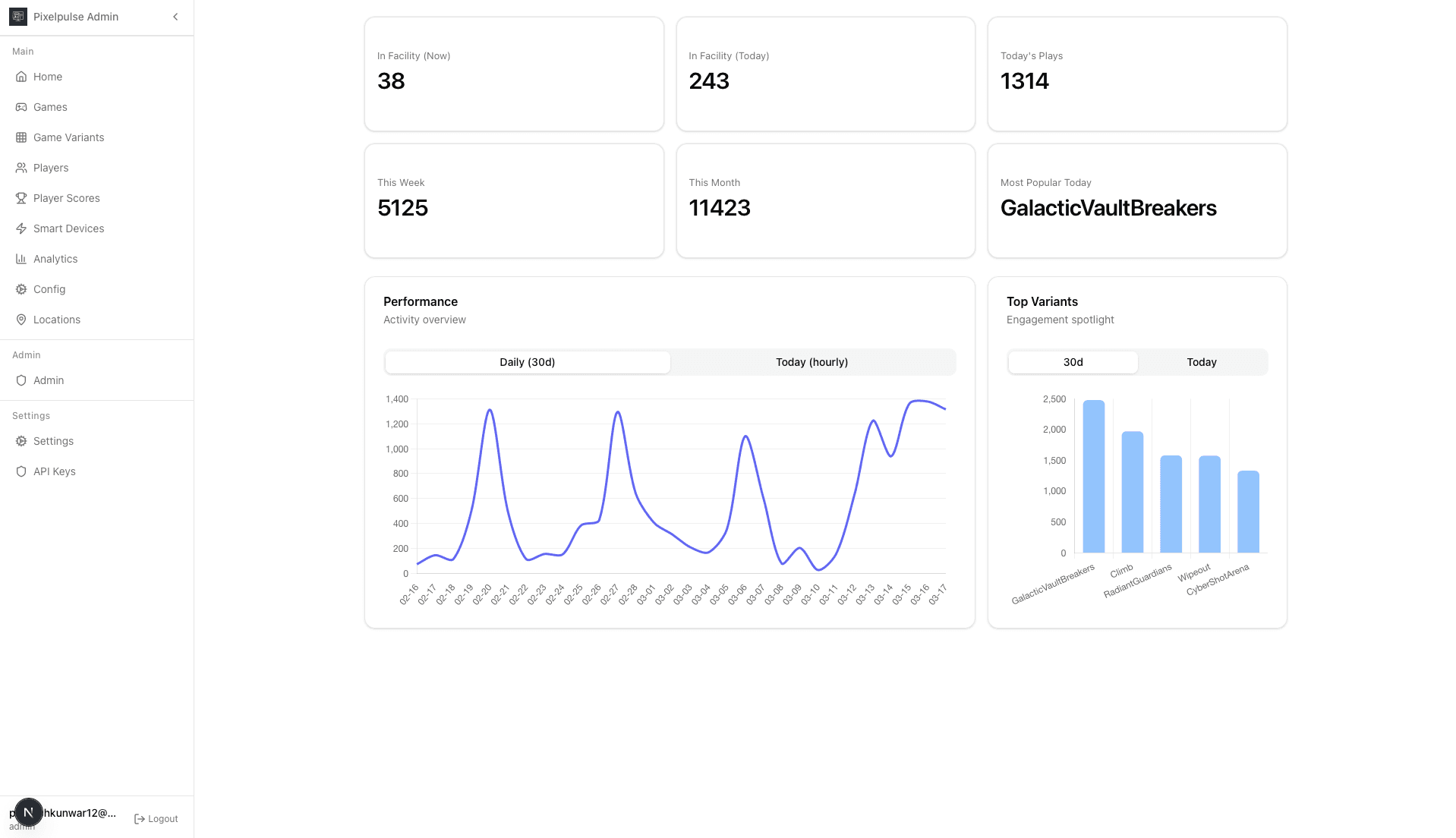
Admin Portal (Platform Control & Analytics)

AeroSports

Centralized web platform for managing games, players, analytics, smart devices, and documentation with authentication and role-based access control.

Next.jsReactTypeScriptJAC/A
View project

Capabilities

What I Build & How It Works

A breakdown of the systems I design, build, and operate - with direct links to real implementations.

Low-latency, event-driven room runtime

Realtime Game Systems

Design and execution of low-latency, event-driven game runtimes.

Implementation Notes

  • Modular .NET runtime for game logic, scoring, timers, restart flow, and room-specific variants.
  • Latency reduced from roughly 200ms to around 5–10ms through protocol changes and communication-path optimization.
  • Multi-threaded event handling for gameplay state, device updates, and runtime-to-host synchronization.

Shared API and orchestration layer across the platform

Platform & Backend Architecture

Central API and system orchestration across all applications.

Implementation Notes

  • Express.js + MSSQL backend serving kiosks, POS, tablets, admin tools, and runtime services from one shared data layer.
  • Authentication, API keys, rate limiting, retries, and middleware-based request handling for production reliability.
  • Structured data flow between runtime, frontend, operational tools, and the facility database.

Fast UI for customer and staff workflows

Frontend & Interaction Systems

High-speed UI for real-world customer and staff interaction.

Implementation Notes

  • Next.js kiosk UI for scan flow, game selection, room readiness, and split-screen session UX.
  • Real-time scorecard views with dynamic layouts for alliance, competitive, and custom game modes.
  • Interfaces designed for quick decisions, low friction, and reliable operation in a live facility.

Bridging software with physical devices and room systems

Hardware & System Integration

Bridging software with physical devices and game environments.

Implementation Notes

  • NFC, COM, Ethernet, Arduino, ESP, RS422, and controller-network integration across multiple game rooms.
  • Automatic device detection, watchdog recovery, and room-level operational safeguards for production uptime.
  • Wiring layouts, communication protocols, and deployment decisions that connect software with physical room behavior.

Impact

What this enabled

High-level outcomes from owning systems architecture, game integration, and launch execution.

1000+ games played per day

Built for daily public use with continuous runtime reliability across active deployments.

Deployed across 4+ locations

Validated and rolled out systems on-site across AeroSports and PixelPulse facilities.

Multi-location architecture

Extended backend and application flows to support cleaner scaling across facilities.

Controller simulators built

Removed hardware dependency for many testing workflows and sped up development cycles.

Staff admin controls in kiosk

Reduced routine dependency on developers by exposing safe recovery and control actions to staff.

In-app debuggers for rooms

Lowered downtime with room-specific diagnostics for locks, controllers, restart buttons, and displays.

Documentation inside admin portal

Created a hardware, wiring, and troubleshooting knowledge base for managers and construction teams.